Remote Access Trojan Architecture & Mechanisms
Remote Access Tools (RATs) are legitimate administrative utilities designed to facilitate remote communication, management, and technical troubleshooting across enterprise devices. However, malicious actors repurpose these concepts into Remote Access Trojans (RATs) to gain unauthorized, persistent, and interactive command-and-control access over compromised operating systems.
📌 RAT Evolution in 2025-2026
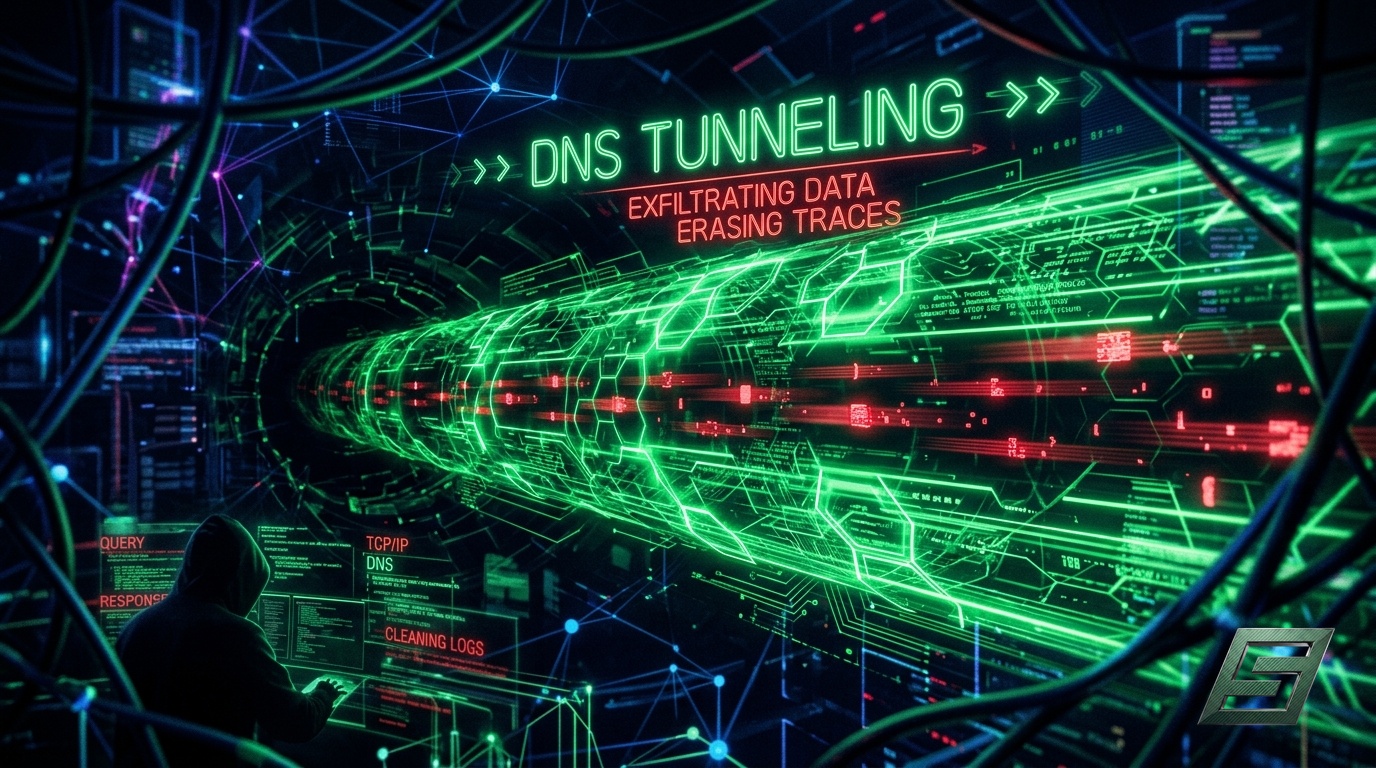
Over recent years, the threat landscape has shifted from basic single-stage Trojans to modular, resilient backdoors. Modern threat actors leverage direct syscalls, in-memory reflection, and encrypted command channels (via Telegram bots, Discord webhooks, or DNS tunnels) to bypass endpoint detection.
Technical Deep Dives & Related Analysis:
→ How to Make My RAT Fully Undetectable (FUD)
An in-depth analysis of polymorphic crypters, stub randomization, and in-memory execution routines used by researchers and penetration testers to evaluate antivirus evasion resilience.
→ How Does RAT PC Work From A to Z
Complete step-by-step breakdown of connection handshakes, reverse shells, socket management, privilege escalation, and persistence techniques deployed across modern Windows environments.
→ What is a RAT and How to Detect It
Comprehensive identification guide for SOC analysts and incident responders: monitoring suspicious network beacons, auditing autorun persistence points, and spotting process injection.
→ Cryptocurrency Miners vs Trojans: Analysis
Examination of hidden cryptominers bundled alongside RAT droppers, examining CPU resource throttling, stealth persistence, and payload binding mechanisms.
→ Technical Analysis: RATs and Crypter Integration
Evaluating compatibility and execution flows between popular remote access frameworks and advanced encryption engines (AES-256, RC4, XOR chained loaders).
Spectrum Guardian provides educational documentation and advanced security solutions engineered for red teams, penetration testers, and security researchers who need to stay ahead of modern threat mechanisms.